The future of Commuting
Challenge
Over an 8-week period, we partnered with Honda’s innovation venture “99P Labs” to reimagine the commuter experience. In the face of drastic changes in the industry, from autonomous vehicles, ride-share apps to heightened standards for sustainable practices, Honda’s executive team knew that innovation was key to the company’s survival. Research – Design – Build is a hands-on studio class for Kellogg MMMs with a focus on innovation based on user needs. Students work with real clients to solve a complex, strategic problem by fully immersing themselves in the design process. On December 9, 2019, all six teams (five students each) presented to five Honda executives.
OpPORTUNITY
How might Honda bring joy and freedom of mobility to a stress-free commuting experience for people within mobility services and digital communities? My group viewed this prompt through the specific lens of sustainability.
Focus Area & Skills
- Ethnographic research
- Qualitative data synthesis (translating observations > insights > how might we’s)
- Problem framing
- Behavioral mode identification
- Concept development
- Framework creation
- Storyboarding
Key Learnings
- Recruiting a diverse sampling of interviewees is paramount to ensure you have a representative body of data.
- How people say they behave is often different from how they truly behave. Observing behaviors in real-life will illuminate discrepancies between intention and reality. These are the moments that are rich with potential learnings.
- Behavioral modes are dynamic contexts in which people operate. “Strategic & Savvy” Amanda will make decisions differently than “Exasperated and Emotional” Amanda, and her interest in choosing the more sustainable commute option gets de-prioritized when she is late for her appointment.
Our design Process
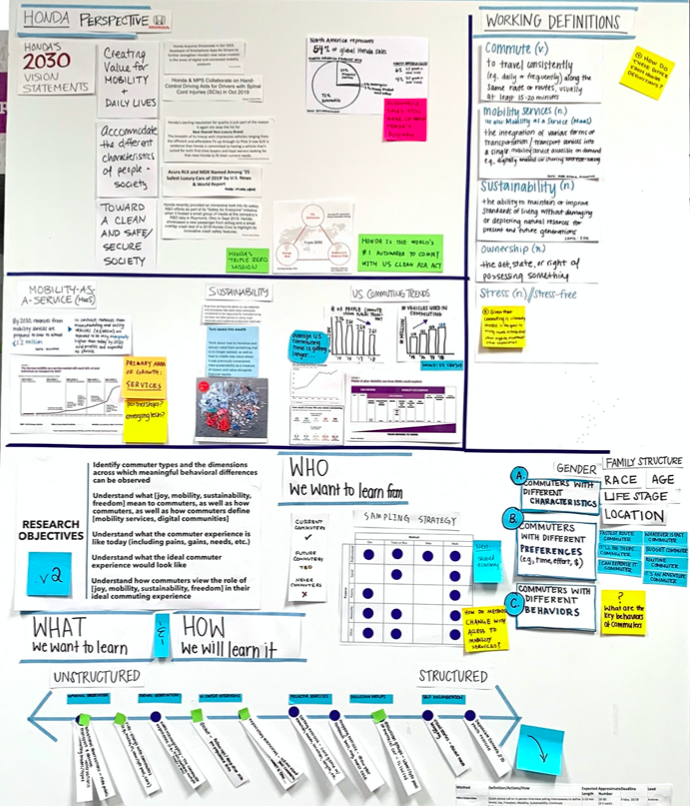
With such an open-ended prompt, our team realized we needed to start at a high level, then drill down. First, we utilized secondary research to inform our approach to conducting ethnographic research. We recruited a diverse sampling of interviewees across demographics, including gender, age, location, vehicle ownership, and socio-economic backgrounds.
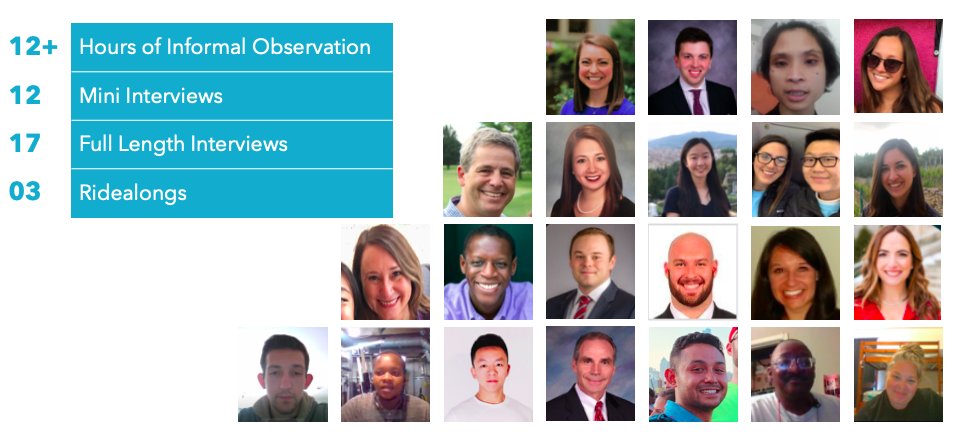

We started out asking our interviewees very high-level questions. Even these open-ended questions gave us really interesting insight!
For example, Dan helped us see that the word “mobility” spanned beyond the mechanism of travel, but rather “mobility” meant the enabling of “choice” for the consumer. It’s less about how he gets from point A to point B, but more about his level of control.

I think about ‘mobility’ as being enabled to do what you have to do wherever and whenever you want to do it. It is about enabling choice.
– Dan
This is an example of a native definition, i.e., something defined by the user in their terms, rather than something that is defined by the industry or Webster’s Dictionary. As we thought more critically about our challenge to design for “freedom of mobility”, we became very intentional about building around what the user associates with mobility, not what we or the client believe mobility to be.
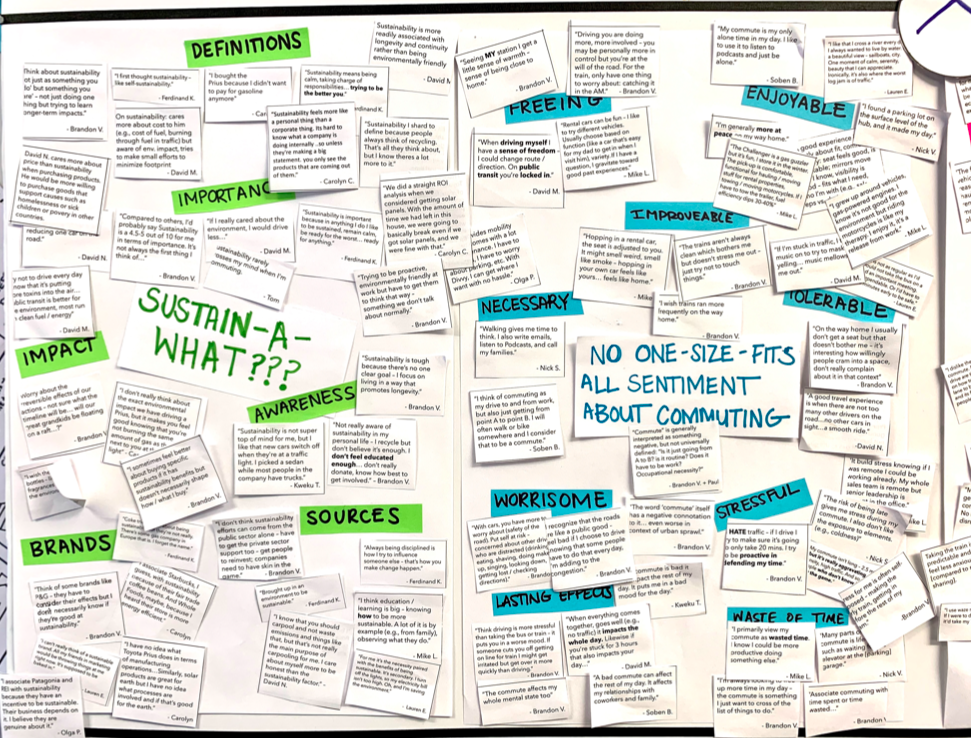
We also learned that word choice matters. With the help of our interviewees, we narrowed our terminology from “sustainable” to “eco-friendly” so that we could be more specific in our interviews.


Sometimes we asked our interviewees to draw how commuting affected their days. This visualization helped us map out the emotional rollercoaster that is commuting!
We learned that the act of commuting is not defined by one particular mood or intention. We categorized these patterns into discrete behavioral modes or mindsets that individuals oscillate between during a single week, day, or even trip.
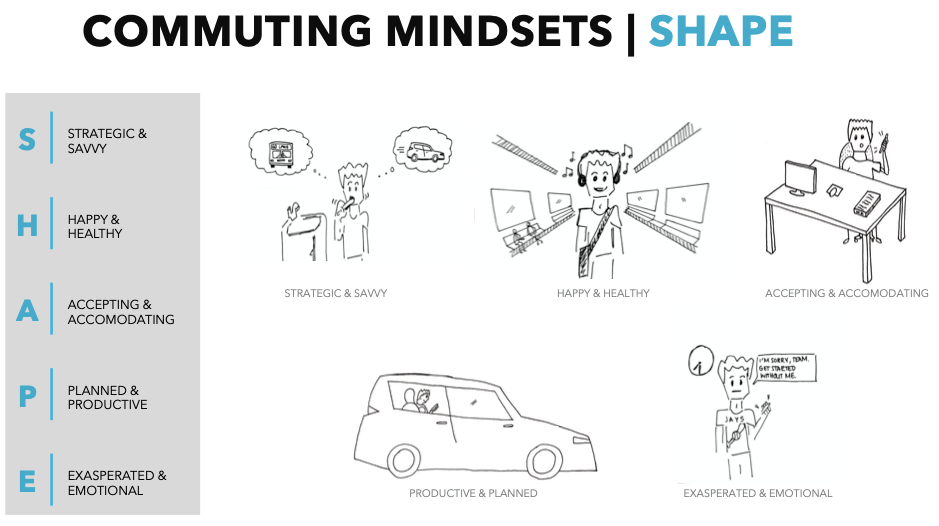
We used sketches and storyboards to map out a typical commuter experience through the eyes of Jack, our commuter persona.

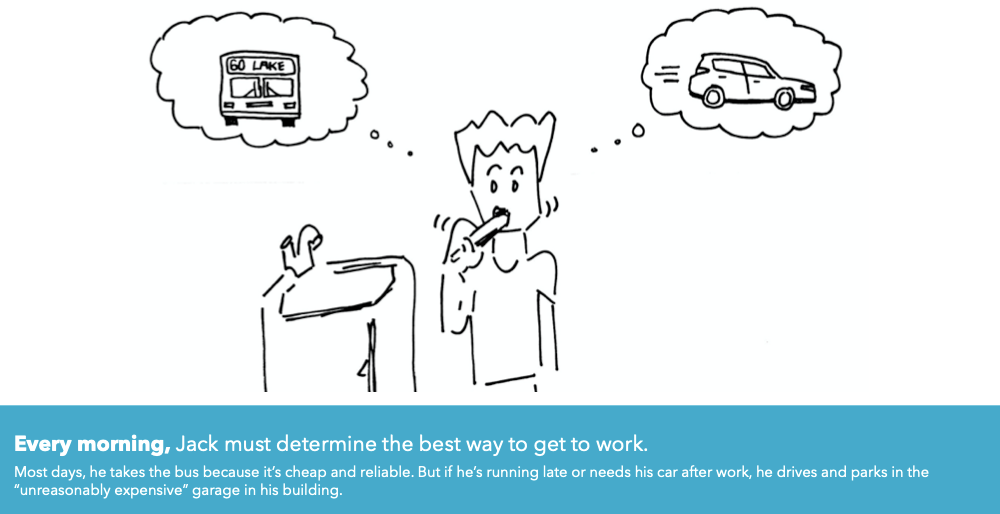

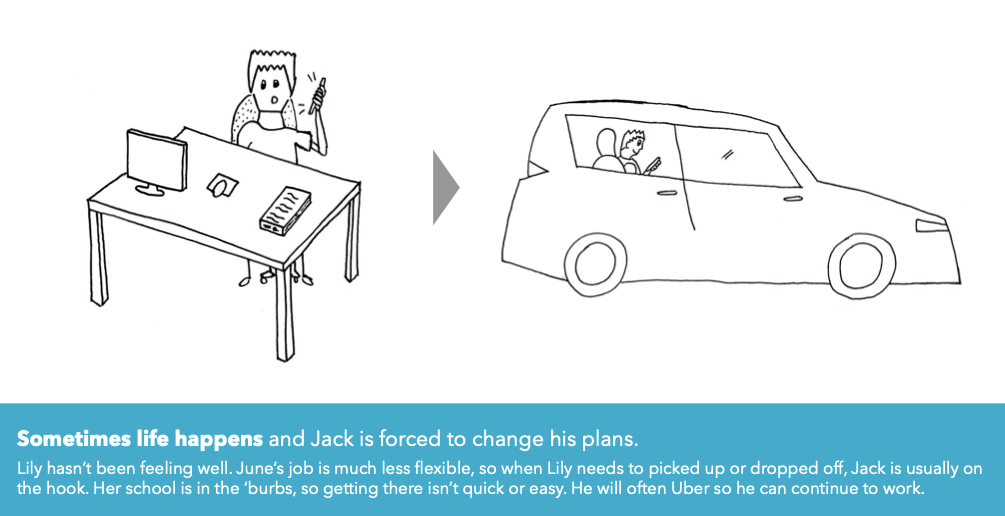

Putting ourselves into the shoes of Jack, we crafted two insights about commuter behavior.
Insight #1
Urban commuters who have access to multiple forms of transit stress about making the best choice. They struggle with not having a reliable way to know what choice they should make until it is too late. The benefit of having options is offset by the fear of making the wrong choice.
Insight #2
People know they should be doing their part to be eco-friendly but doing so often requires an inconvenient tradeoff. Their short-term losses typically outweigh the longer-term benefits of being eco-friendly.
Our two insights prompted us to ask “How might we…”
- …minimize the sense of regret commuters feel once they make their transit decision?
- …reduce switching costs for commuters who need flexible commuting methods?
- …make doing eco-friendly things feel easier and less of an inconvenience for commuters
Our Solution
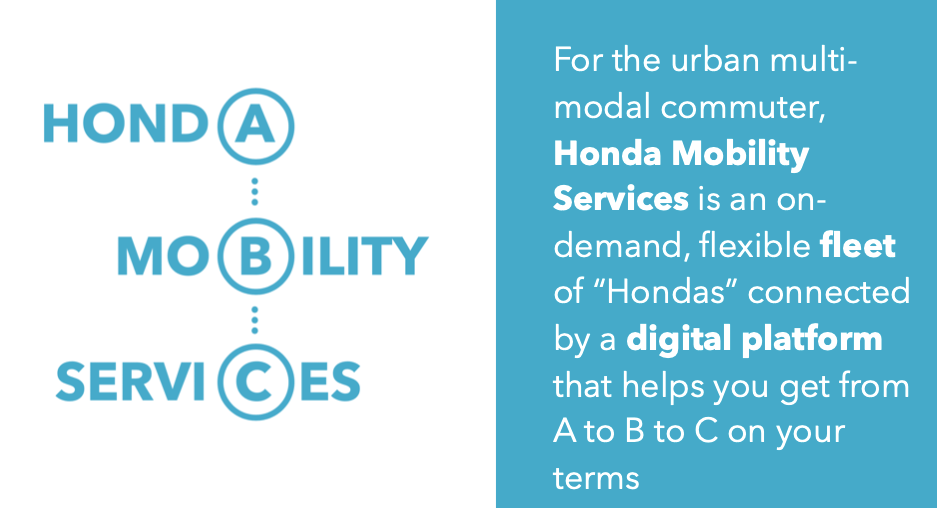
Our HMW statements laddered up directly to our proposed solution “Honda Mobility Services”, of which every component was informed by a user pain point that we either heard or observed.


Further Analysis
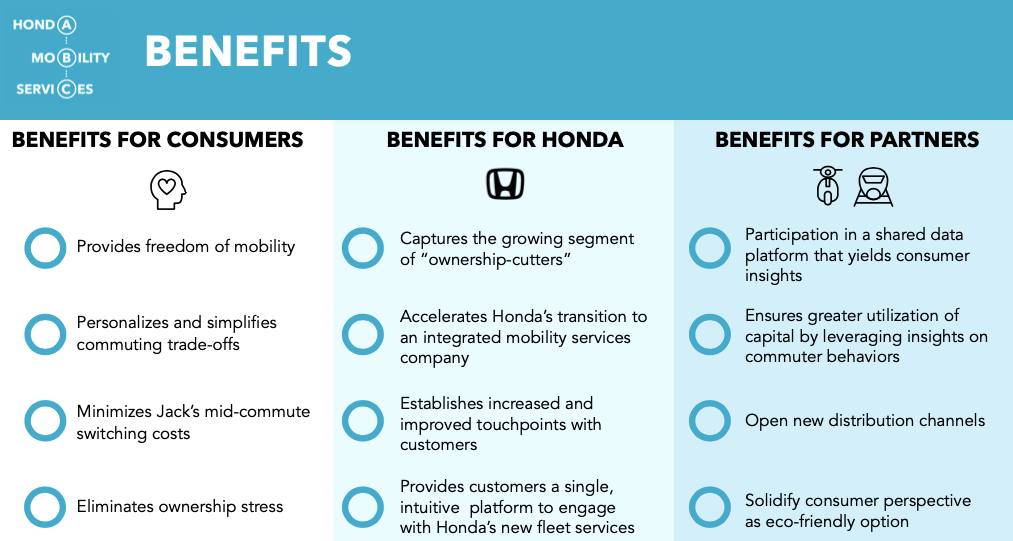
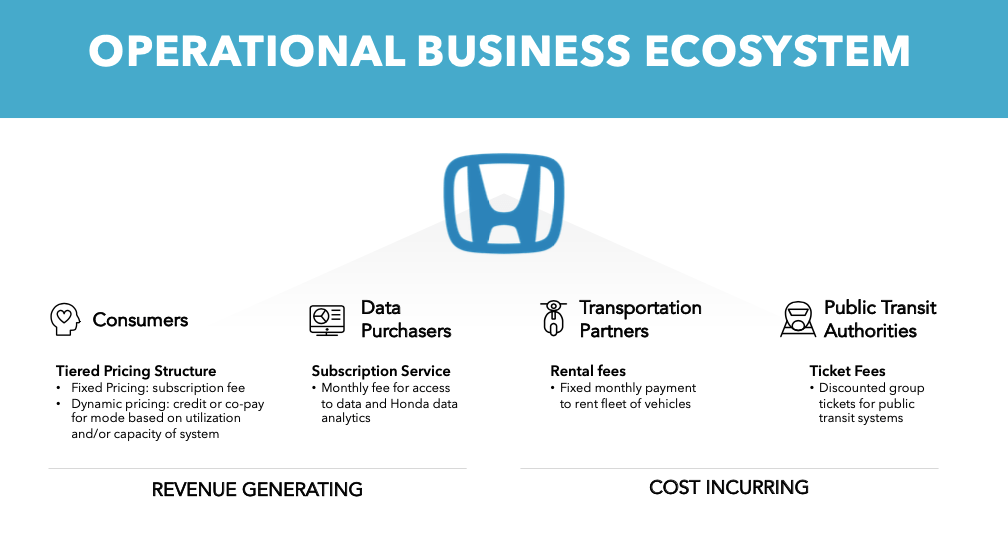
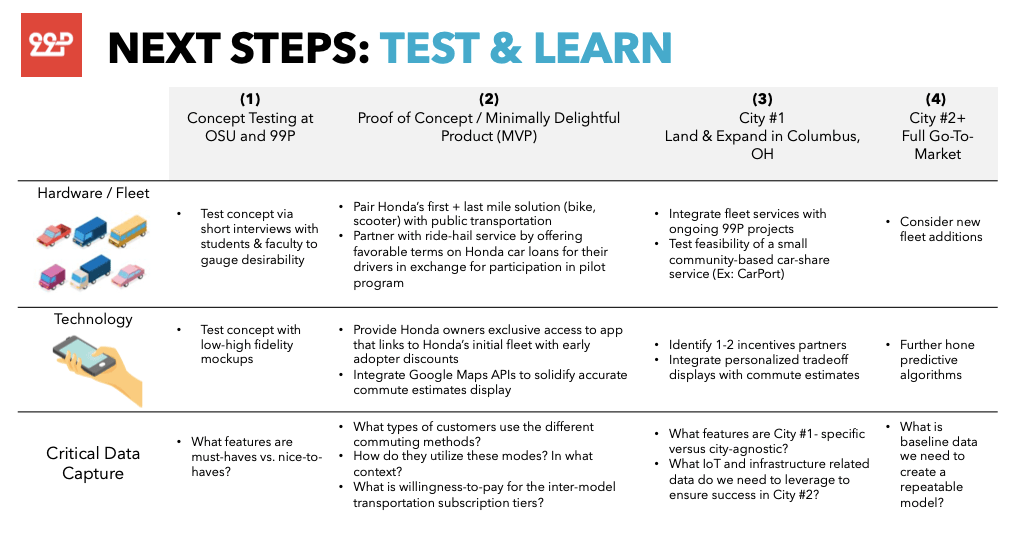
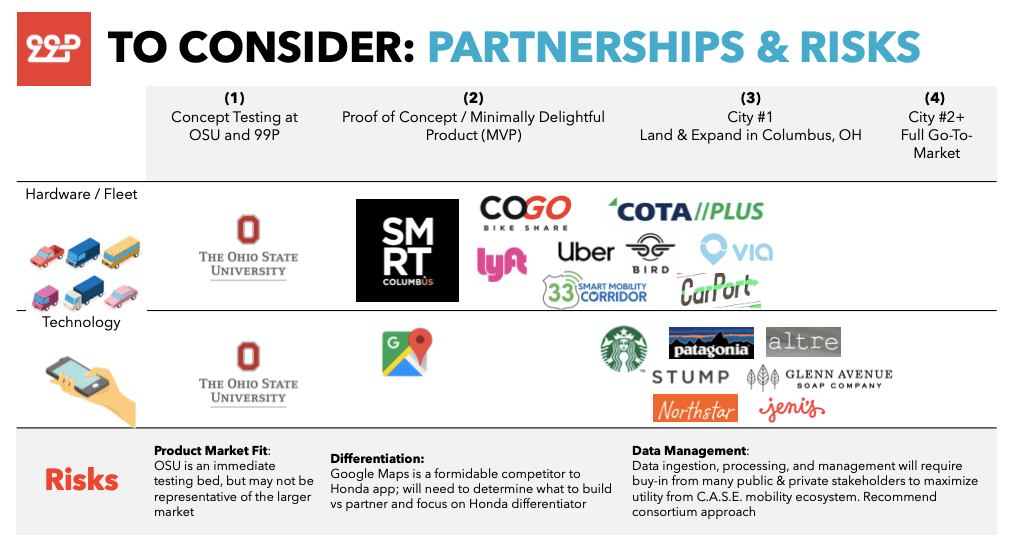
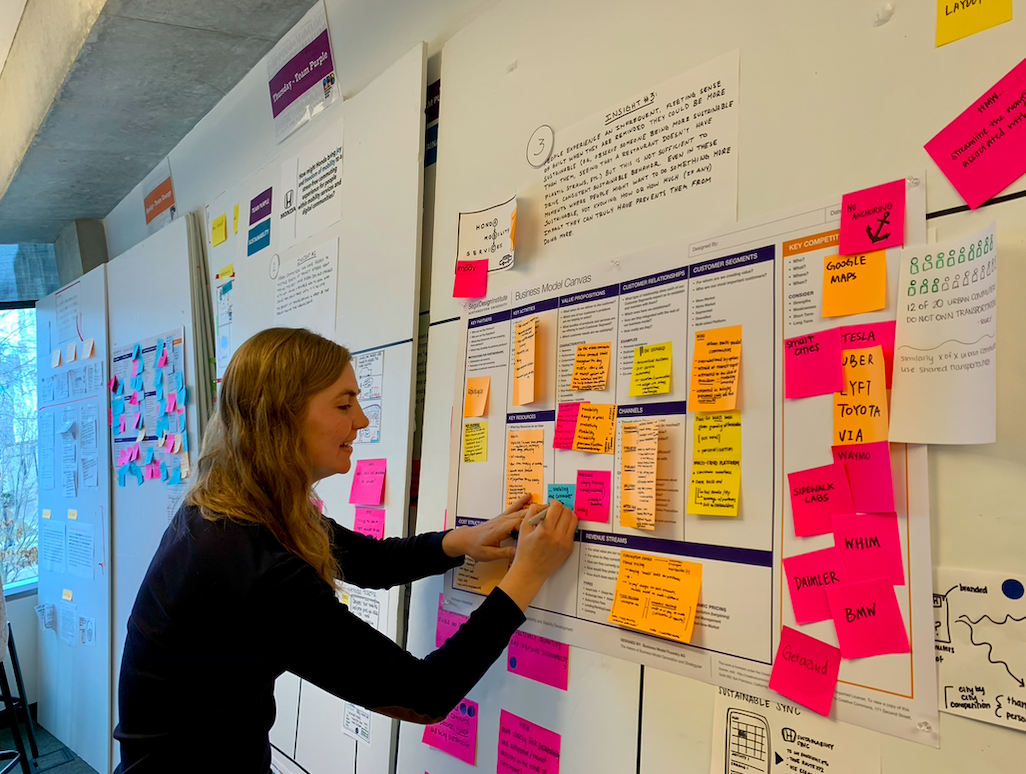
A concept is nothing without an analysis of its business model, stakeholder benefits, feasibility, viability, and next steps.
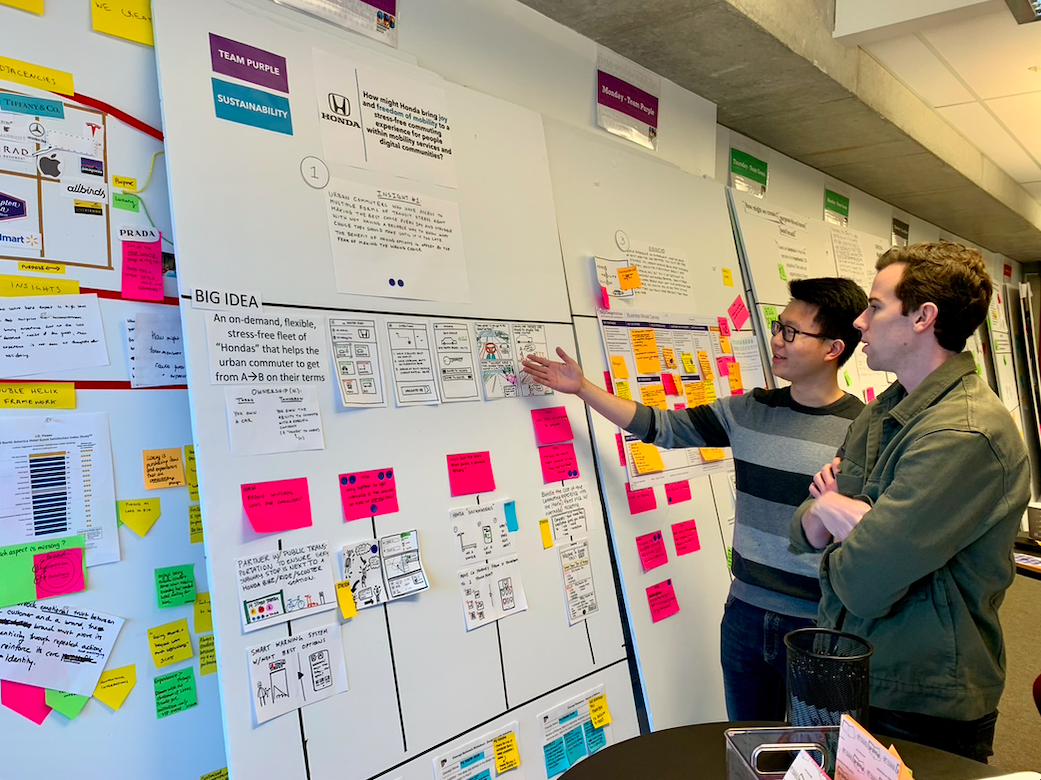
Behind the scenes – “Studio Culture”



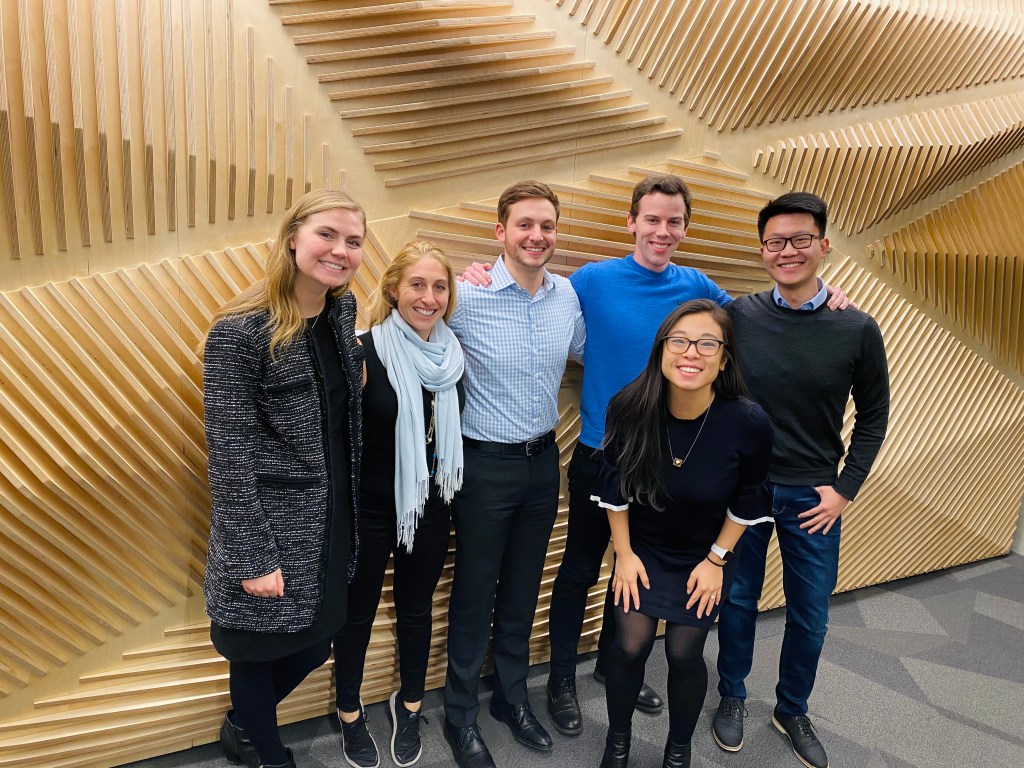
The dream team

 Amanda J. Santangelo